Mumbai, Sep 17: The National Stock Exchange (NSE) has facilitated tokenised corporate bond issuances worth around Rs 1,025 crore, marking an important development in India’s move towards a more technology-driven debt market.
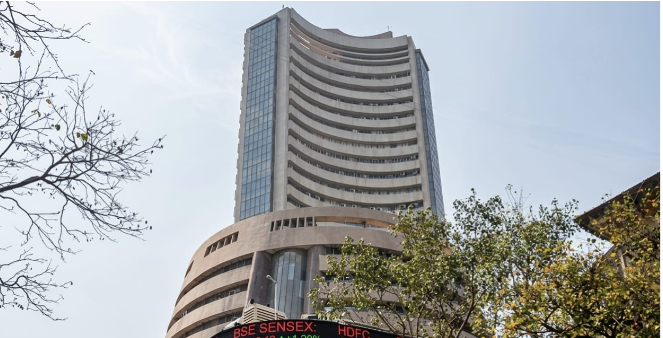
The issuances are part of the Demat 2.0 pilot launched by the Securities and Exchange Board of India (SEBI) and the Reserve Bank of India (RBI). The initiative is testing how digital technology and distributed ledger systems can be used to improve the way corporate bonds are issued, recorded and settled.
REC, Larsen & Toubro and IIFL Finance are among the first companies to participate in the pilot. Together, the three issuers have raised about Rs 1,025 crore through tokenised corporate bonds, providing an early test of the new market infrastructure.
Under the new system, corporate bonds are represented digitally on a distributed ledger, while settlement is linked to the RBI’s wholesale central bank digital currency infrastructure. The approach is designed to make transactions faster and reduce some of the operational and settlement risks associated with conventional processes.
For companies raising funds through the bond market, faster settlement could improve cash-flow management and make the fundraising process more efficient. Investors and market intermediaries could also benefit from digital records, quicker processing and greater automation in activities linked to bond ownership and servicing.
The development could have wider implications for India’s corporate debt market. A smoother and more technology-enabled bond infrastructure may help reduce administrative work and improve coordination among issuers, investors, depositories and other market participants.
At the same time, the technology is only one part of the equation. The wider adoption of tokenised bonds will depend on investor participation, liquidity, compatibility with existing market systems and the development of an active secondary market. Recent market analysis has identified secondary trading and broader participation as important areas to watch as the pilot expands.
The initial issuances give regulators and financial institutions an opportunity to understand how tokenised securities perform in a live, regulated environment. Later stages of the pilot are expected to explore broader trading participation, including access for retail investors.
For India’s financial sector, the initiative represents another step in the digital transformation of capital markets. If the infrastructure can work efficiently at a larger scale, tokenisation could eventually support faster settlement, better record management and more streamlined operations across parts of the securities market.