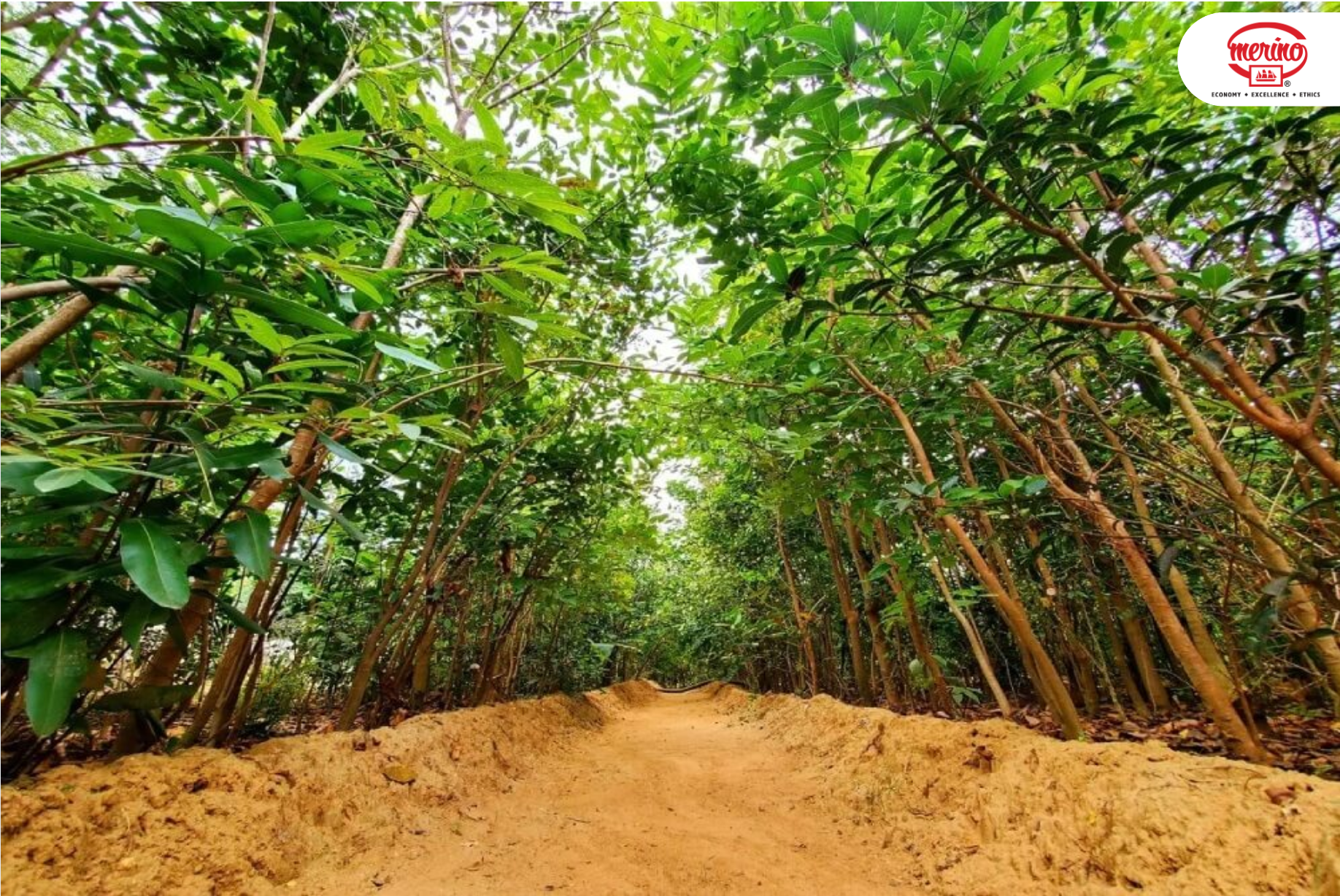
Every monsoon brings with it a renewed connection between people and the environment. Across India, the arrival of rain has always symbolised regeneration, growth and the promise of a greener tomorrow. It is also a season when every sapling planted carries the possibility of creating a lasting environmental impact. As World Nature Conservation Day encourages deeper conversations around protecting natural ecosystems, it also highlights the important role industries can play in nurturing biodiversity, supporting communities and building sustainable models of growth.
For over six decades, Merino Industries has been shaping this belief through a manufacturing philosophy where nature, technology and communities progress together. The company’s approach towards sustainability extends beyond factory boundaries and begins with the land itself. Through large-scale agroforestry, scientific plantation initiatives and responsible resource management, Merino continues to strengthen a green ecosystem that connects farmers, forests, manufacturing and future-ready interior solutions.
A significant part of this journey is driven by Merino’s agroforestry initiative, which focuses on creating a sustainable source of renewable raw materials while supporting ecological restoration. India’s wood-based panel industry depends on a consistent supply of raw materials, making responsible cultivation an essential part of long-term industry growth. Instead of relying on conventional sourcing models, Merino has developed an integrated approach that encourages farmers to transform underutilized land into productive green assets.
Through this initiative, Merino distributes over 10 million saplings annually, including species like eucalyptus, empowering farming communities to actively participate in environmental regeneration. Around its manufacturing ecosystem, including Halol in Gujarat, the programme extends across a 150-kilometre radius and engages more than 2,500 farmers across nine districts. The initiative has helped convert barren and underutilized lands into thriving plantations while creating additional livelihood opportunities for rural communities.
The strength of Merino’s agroforestry model lies in its scientific approach. The process begins with land assessment and farmer engagement, followed by access to high-quality saplings developed through advanced cultivation practices. Farmers receive technical guidance on plantation methods, nurturing cycles and improved forestry practices, helping them achieve better productivity and long-term economic benefits.
Beyond large-scale agroforestry, Merino is also creating biodiversity zones within its manufacturing environments. The company has adopted the Miyawaki plantation method at its Hapur manufacturing facility to create dense micro-forests that encourage faster growth and richer biodiversity. These green zones act as natural carbon sinks while creating habitats for local flora and fauna.
The company’s greenbelt initiatives have led to the plantation of more than 20,000 tree saplings across different locations, encouraging the return of native biodiversity within industrial spaces. The presence of bird species, including peahens nesting within factory premises, demonstrates how thoughtfully developed green zones can allow industry and nature to coexist harmoniously.
Bamboo cultivation forms another important pillar of Merino’s ecological initiatives. At its dedicated five-acre bamboo cultivation zone in Garhmukteshwar, Hapur, the company continues exploring nature-based solutions that contribute towards environmental restoration. Bamboo is recognised globally for its rapid growth, strong carbon absorption potential and ecological benefits, making it a valuable contributor towards greener landscapes.
Merino’s environmental initiatives are also supported by circular practices that help resources return to nature. Agricultural and manufacturing organic waste is converted into bio-compost and vermicompost, creating natural inputs that improve soil quality and support healthier plantations. The company produces nearly 300 MT of bio-compost annually, demonstrating how responsible resource management can create value from materials traditionally considered waste.
This waste-to-wealth approach strengthens the connection between manufacturing and ecological responsibility. Organic residues generated through operations find renewed purpose by enriching soil health, supporting plantation growth and contributing towards regenerative practices.
The impact of these initiatives extends further into Merino’s products as well. Responsibly cultivated wood from agroforestry ecosystems contributes towards the development of advanced engineered solutions like Merino Marine Board. This creates a meaningful link between sustainable cultivation and modern interiors, where raw materials grown through responsible practices eventually become products designed for homes, workplaces and commercial environments.
Merino Marine Board represents this philosophy through a combination of strength, durability and healthier indoor performance. Developed as an advanced chipboard solution, it offers boiling waterproof performance, superior screw-holding strength and enhanced load-bearing capability. Its compliance with stringent European E1 emission standards supports healthier indoor environments, demonstrating how responsible sourcing and product innovation can move together.
Through its wider sustainability framework, Merino continues integrating ecological restoration with responsible manufacturing. Its initiatives align with larger environmental priorities including biodiversity conservation, sustainable resource use and the United Nations Sustainable Development Goal of protecting life on land.
World Nature Conservation Day serves as a reminder that protecting nature requires continuous participation from every section of society. Industries have an opportunity to become important contributors by creating systems where growth supports environmental wellbeing.
For Merino, every sapling represents much more than future raw material. It represents greener landscapes, stronger farming communities, healthier ecosystems and a vision where manufacturing grows responsibly alongside nature. As another monsoon brings new life to the soil, Merino’s plantation initiatives continue creating roots for a more sustainable future.